When most people mention Romania, they talk about Dracula and all of the castles and forests in Transylvania that totally contain vampires. Which is why I was somewhat disappointed to discover that most places have almost no actual historical correlation with vampires. On the bright side, Romania still has so much to offer, and here are 5 of those places.
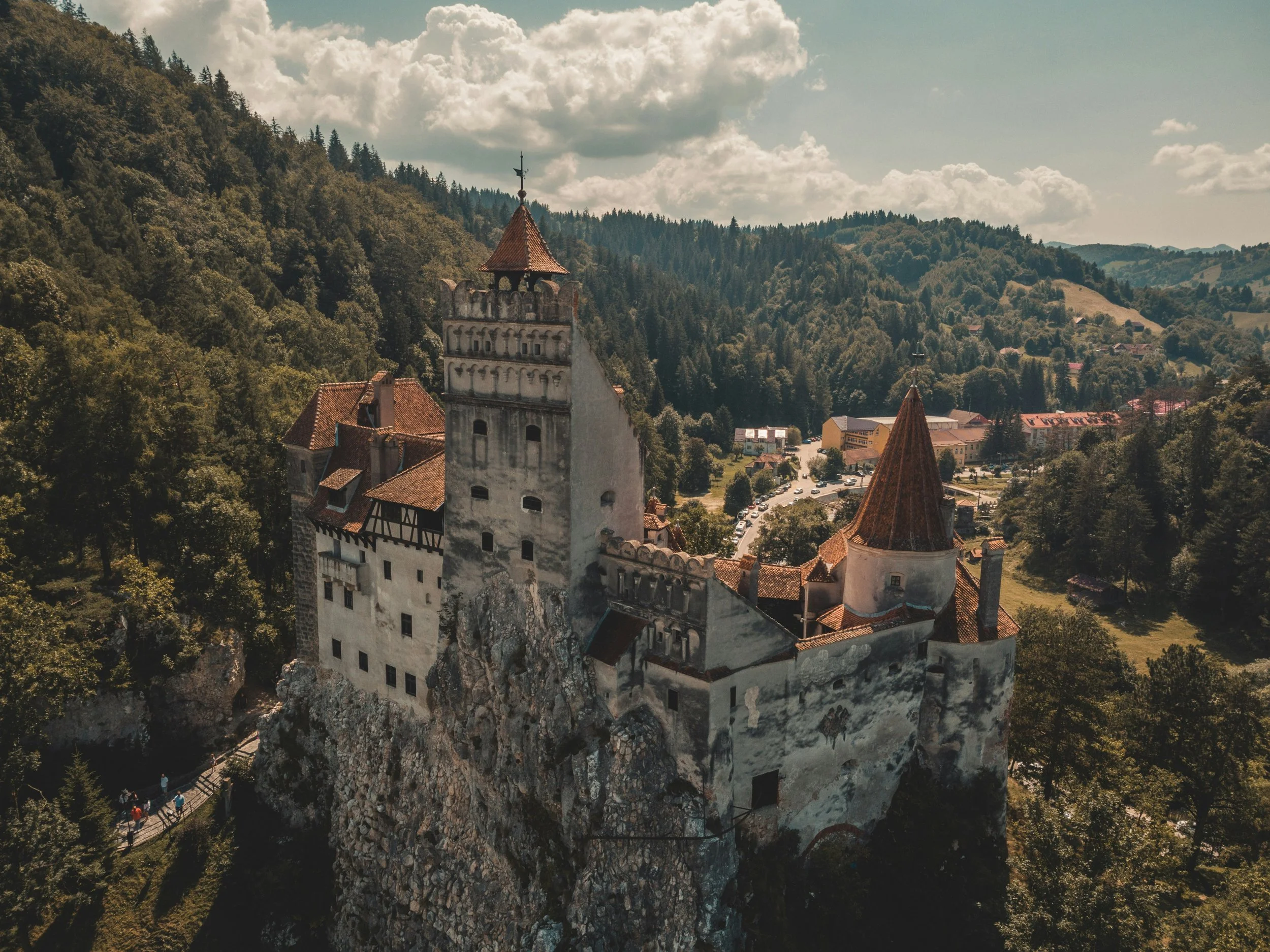
Bran Castle in Transylvania, Romania
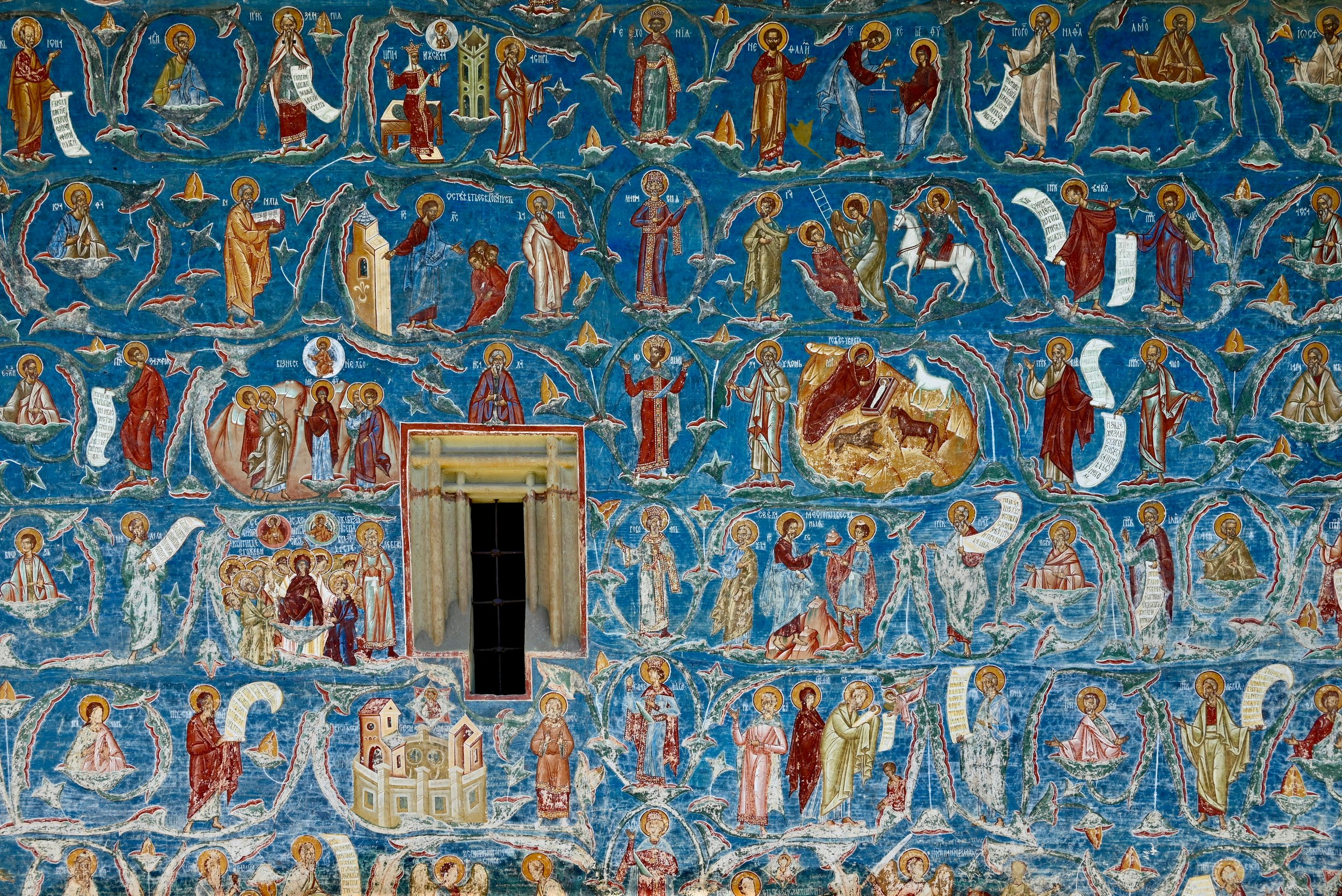
Voronet Blue Paintings, Voronet Monastery
The Painted Monasteries of Bucovina
These monasteries are some of Romania’s most remarkable examples of Byzantine architecture and art. All of the walls - inside and outside - are covered in beautiful frescoes with unique and vibrant colors, as well as dramatic scenes from the Bible. I was most intrigued by the ones showcased here, in the Voronet Monastery. That shade of blue in the background is unique to this monastery, and goes by the same name of Voronet Blue. To this day, scientists have not found a way to replicate this shade exactly on any other structure since the time of its creation. It’s definitely not something I was expecting to be wowed with, and I’m so glad that it did.
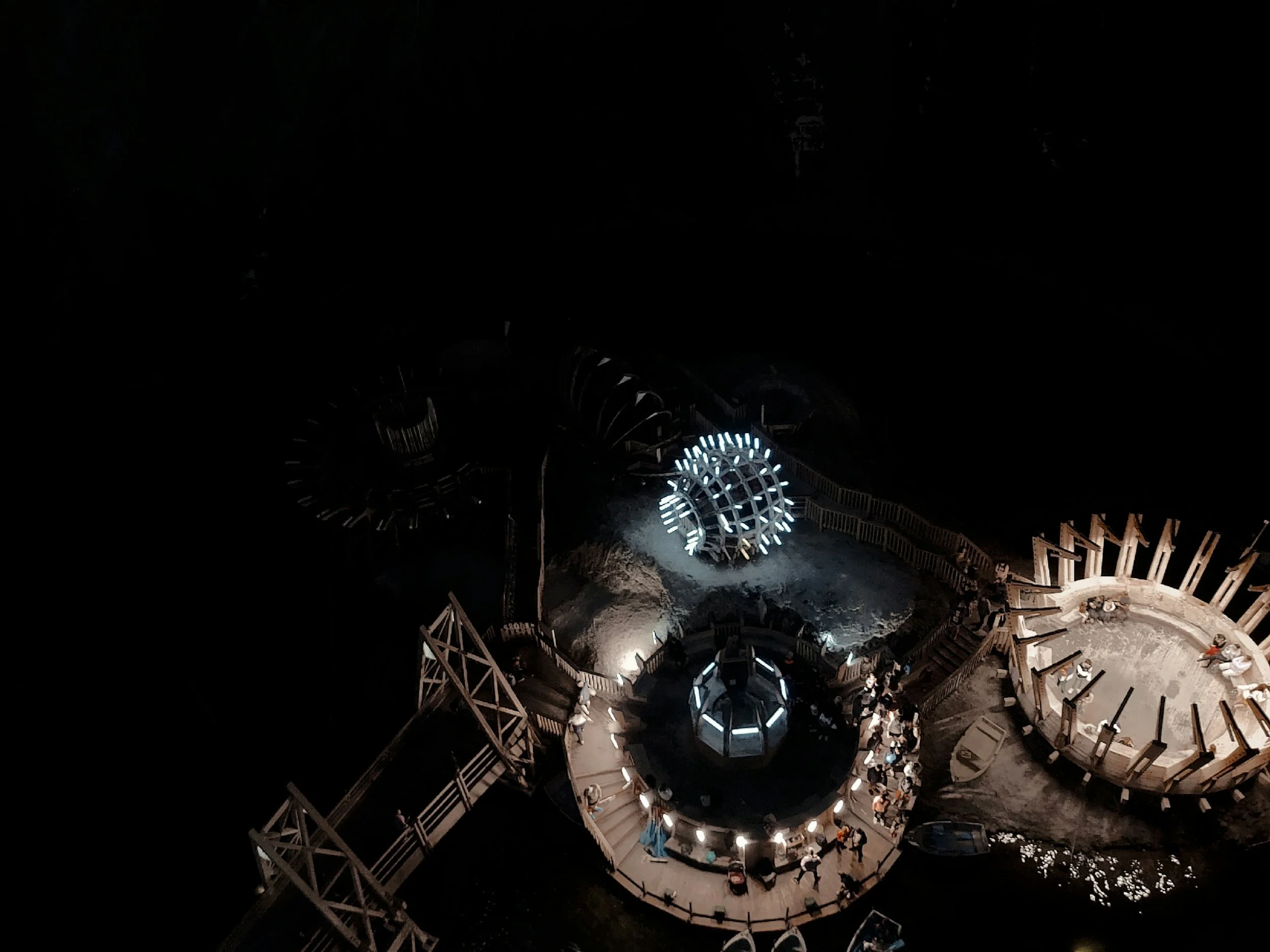
Rudolf Mine, Turda Salt Mines
Turda Salt Mines
When you think about a salt mine, you may imagine an ancient place where you take historical tours, go on Minecraft-esque carts, and trek through a lot of stairs. The Turda Salt Mines have all of this; however, there’s something much cooler that you won’t find anywhere else in the world- an amusement park! With a history dating back to the late 11th century, Turda has a combination of the old and the knew through each of its floors. You an explore the mines as they were originally used, go boating in the Theresa Mine Lake, and head into the 42-meter deep Rudolf Mine to play mini golf and ride a Ferris Wheel. It is truly a stunning place to see, and there are very few more memorable places in Europe for people of all ages to enjoy!
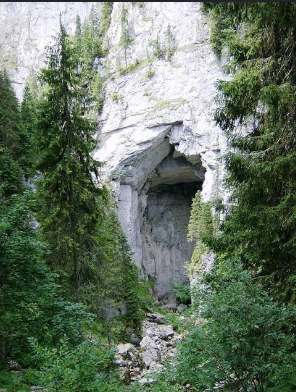
Fortress of Ponor Gate Entrance
Fortress of Ponor
At first glance, the Fortress of Ponor may sound like yet another castle in Europe, but this natural landmark has much of the unexpected. Hidden within the Ponor Valley in Transylvania, this is part of one of Romania’s largest cave complexes, with stunning limestone arches, extraordinarily deep sinkholes, and a wide river flowing beneath the caves.
While it’s more common to form an expedition to see the cavern in its entirety, I found it much more exciting to go to the Taberei Hall on my own so that I could make time for the valley itself. This is because of the rare vegetation; due to a rare phenomenon known as thermal inversion, the valley has a cool microclimate that makes for the perfect home of plants typically only seen in Northern Europe. As someone who is passionate about botany and speleology (the study of caves), I found the Fortress of Ponor to be a true paradise, and it’s a perfect break from the city!
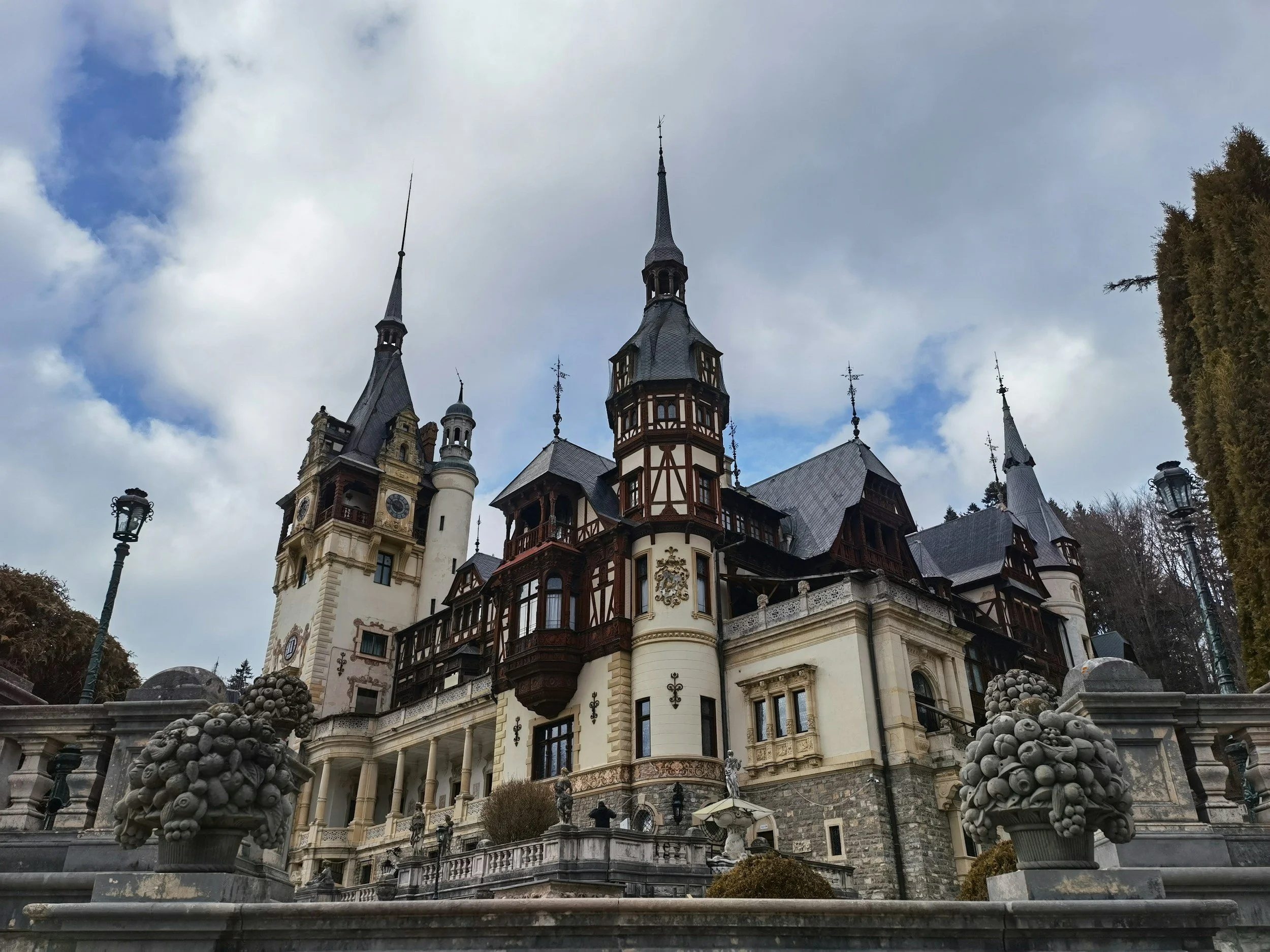
Front of Peles Castle
Peleș Castle
From lavish palace rooms to North African inspired arches and patterns to one of Europe’s oldest uses of modern electricity and heating, Peleș Castle has a lot to discover. Designed by King Carol I in the late 19th century, it was meant to become a castle that set itself apart from the other imperial palaces and castles of its time, and it certainly worked. Every room has it’s own style and character, making sure that you never get bored as you explore the castle walls, and the outside German Neo-Renaissance walls are just as special.
Often called the “Carpathian Pearl”, the castle is surrounded by beautiful pine forests and the Carpathian Mountains in the north of Romania, making the journey to the castle it's own wonderful experience. After exploring this symbol of progress and cultural identity, I haven’t been able to get this place out of my mind, and I can guarantee that you’ll feel the same way.
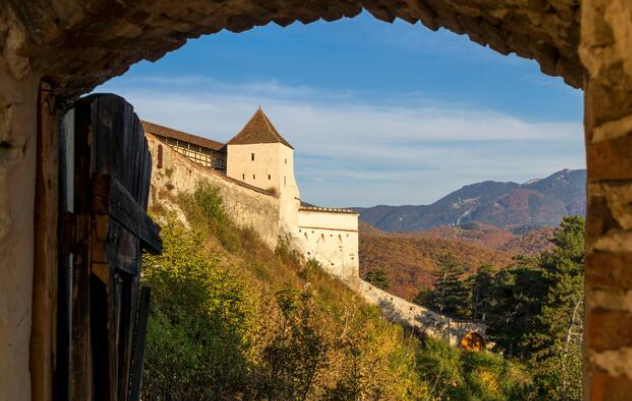
View of Rasnov Fortress
Rasnov Fortress
Just 12 kilometers (7.4 miles) away from the famous Bran Castle, Rasnov Fortress, commonly known as the Peasant Citadel, is a site that - unlike its neighbor - relies on its unique defensive history. Built in the 13th century by the Teutonic Knights, this fortress protected hundreds of Saxon families from numerous sieges for more than 500 years. Walking through the medieval stronghold feels like stepping back in time; you can find everything form restored houses and chapels to an interactive museum and even festivals in the summer!
Today, the best sites to see include a well that’s a whopping 146 meters (479 feet!) deep and a panoramic suspension bridge connecting two sections of the fortress. The best views I got, however, are the ones that I got on the way out, which is because it was through a zipline! Considered the longest fortress zipline in Romania, it was absolutely stunning and it was definitely the coolest exit to one of the coolest bastions ever.
Conclusion
Out of all of the countries in Eastern Europe, Romania is certainly one of the coolest countries that I have had the pleasure of discovering. While I was somewhat saddened to learn that Romania is not the place to live out my vampire fantasies that I had been envisioning, there is so much about this country that sets it apart from others that I can’t help but to jump with excitement whenever I get the chance to talk about it! From medieval monasteries and citadels to natural wonders, Romania has some of the most breathtaking sights I have ever seen. In my opinion, the fact that it’s not talked about often by travelers makes each of these places that much more special, and it really shows the beauty and adventure that one can experience when going somewhere new.
